Essential tips and techniques to keep your indoor plants healthy and thriving
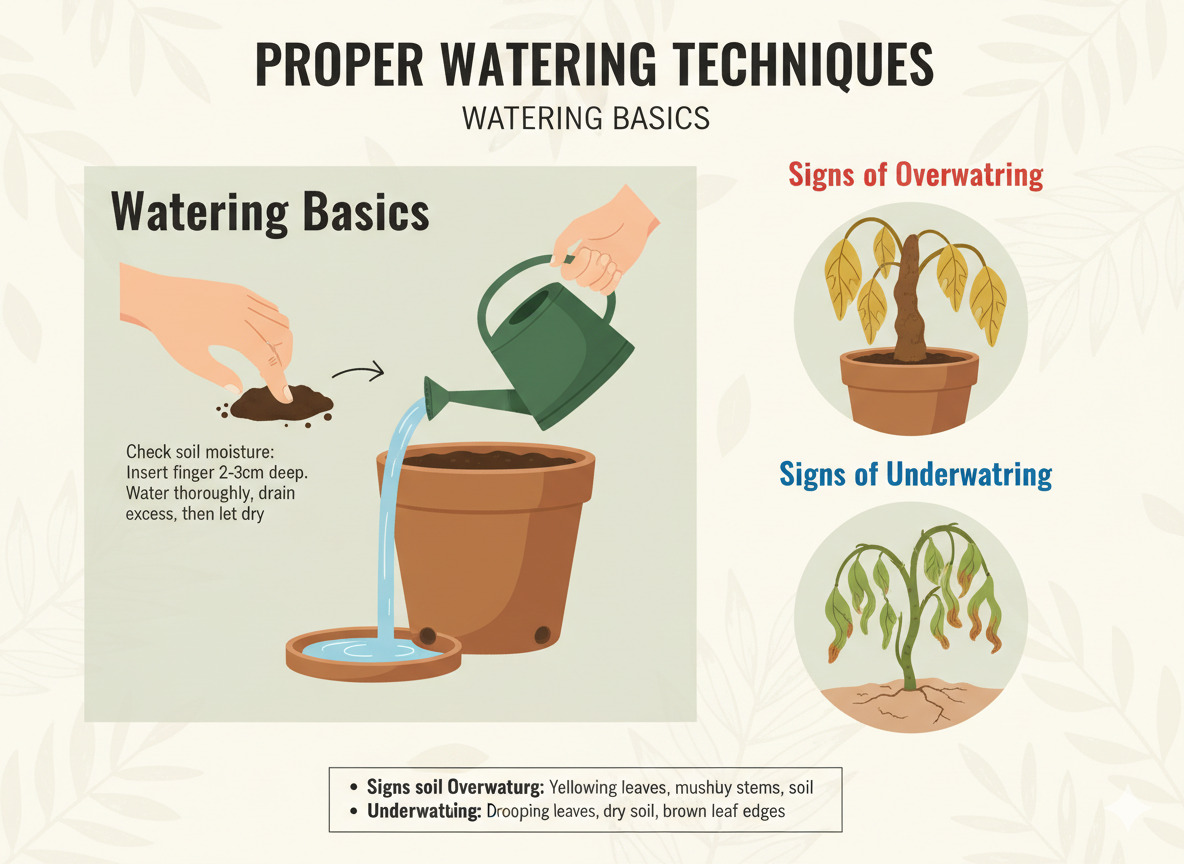
Proper watering is crucial for plant health. Most indoor plants prefer to dry out slightly between waterings. Check soil moisture by inserting your finger about 2-3cm deep. Water thoroughly until excess drains from the bottom, then allow the soil to dry before watering again.
Signs of Overwatering: Yellowing leaves, mushy stems, soil that stays wet
Signs of Underwatering: Drooping leaves, dry soil, brown leaf edges
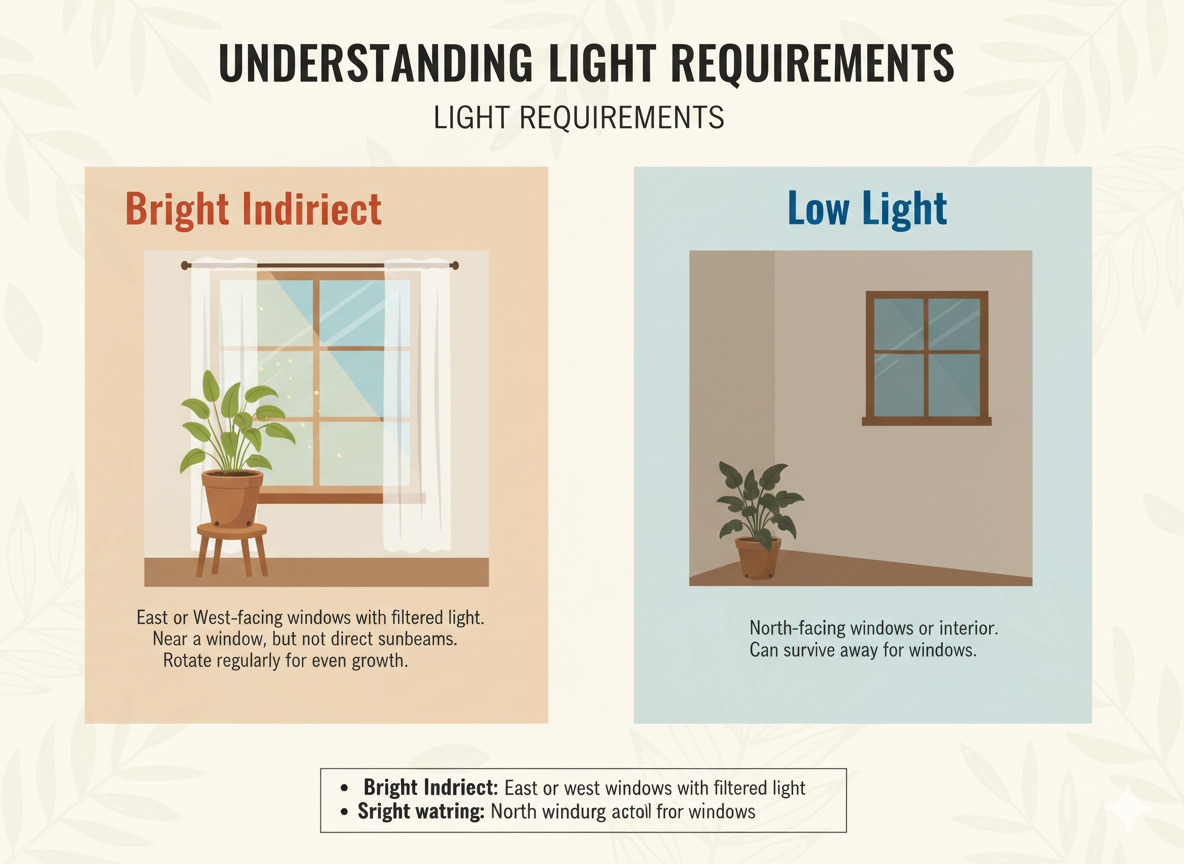
Understanding your plant's light needs is essential. Bright indirect light means near a window but not in direct sunbeams. Low light plants can survive in north-facing windows or areas away from windows. Rotate plants regularly to ensure even growth on all sides.
Bright Indirect: East or west-facing windows with filtered light
Low Light: North-facing windows or interior rooms
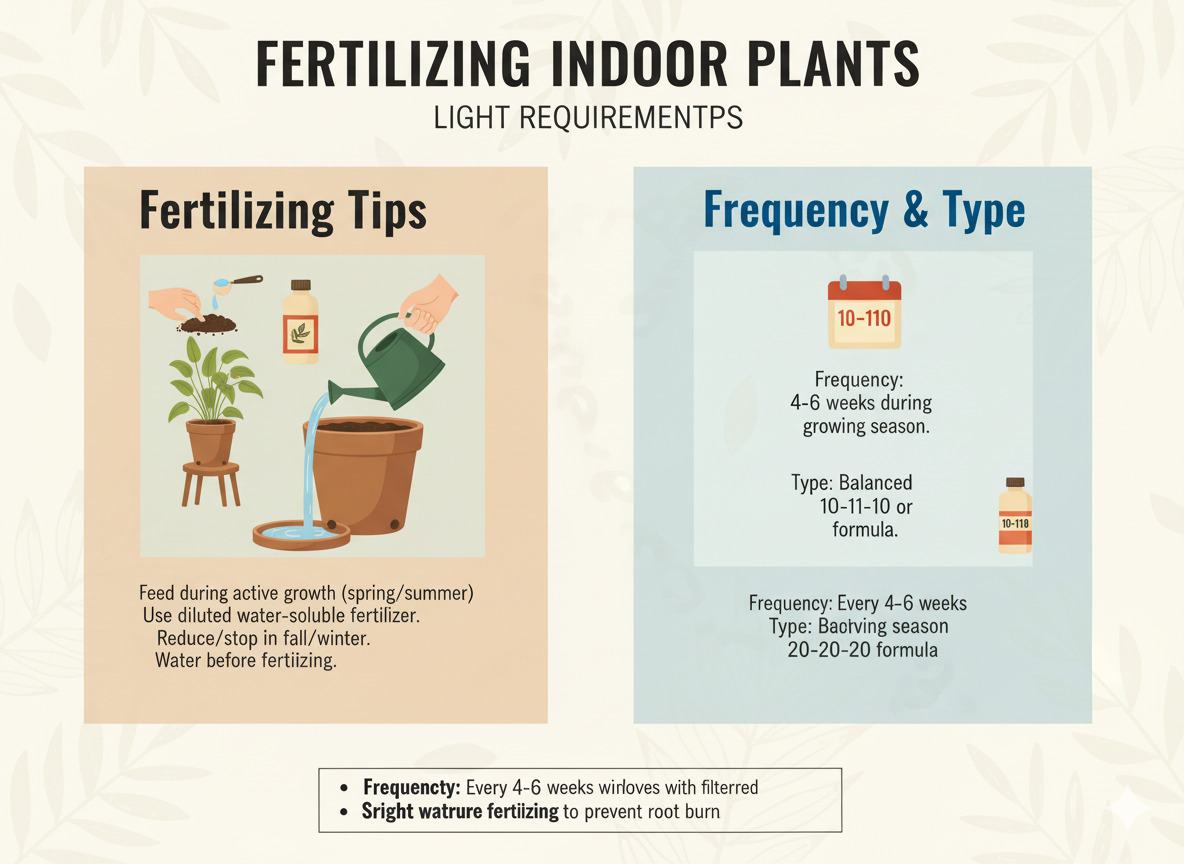
Feed your plants during their active growing season, typically spring and summer. Use a balanced, water-soluble fertilizer diluted to half strength. Reduce or stop fertilizing in fall and winter when growth slows. Always water before fertilizing to prevent root burn.
Frequency: Every 4-6 weeks during growing season
Type: Balanced 10-10-10 or 20-20-20 formula
Most indoor plants prefer temperatures between 18-24°C. Maintain consistent temperatures and avoid placing plants near heating or cooling vents. Increase humidity for tropical plants using pebble trays or humidifiers.
Regular pruning encourages healthy growth and maintains plant shape. Remove dead or yellowing leaves promptly. Pinch back leggy growth to promote bushier plants. Clean leaves with a damp cloth to remove dust.
Repot when roots fill the container or growth slows. Choose a pot only 2-5cm larger in diameter. Use well-draining potting mix appropriate for your plant type. Spring is the best time for repotting most plants.
Inspect plants regularly for signs of pests. Common issues include spider mites, mealybugs, and scale. Isolate affected plants immediately. Treat with insecticidal soap or neem oil, following product instructions carefully.
Adjust your care routine throughout the year
As days lengthen, plants enter active growth. Increase watering frequency gradually. Begin fertilizing monthly. This is the ideal time for repotting and propagation. Move plants to brighter locations if needed.
Plants are in peak growing season. Water more frequently as soil dries faster. Continue monthly fertilization. Protect plants from intense direct sunlight. Increase humidity for tropical varieties.
Growth begins to slow as daylight decreases. Reduce watering frequency. Stop fertilizing by mid-autumn. Prepare plants for lower light conditions. Clean and inspect plants before bringing indoors if they were outside.
Plants enter dormancy or slow growth. Water less frequently, allowing soil to dry more between waterings. No fertilization needed. Monitor for pests that thrive in dry indoor air. Provide supplemental lighting if needed.
Our team can help you troubleshoot specific plant issues
If you're experiencing problems with your plants or need guidance on specific care techniques, don't hesitate to reach out. We're here to help your plants thrive.
Get Care SupportWe use cookies to enhance your browsing experience and analyze site traffic. By continuing to use our website, you consent to our use of cookies. For more information, please see our Cookie Policy.